

How Often Should Home Locks Be Changed?
Changing Your Home Locks is one of the simplest yet most effective ways to protect your property, family, and valuables. Many homeowners are unsure how often locks should be replaced or rekeyed, but the answer depends on several practical factors. Understanding when and why to change your locks can significantly improve your home security and peace of mind.
After Moving Into a New Home
One of the most important times to change your locks is immediately after moving into a new home. Even if the previous owner seems trustworthy, there is no way to know how many copies of the keys exist or who might still have access. Contractors, cleaners, real estate agents, or neighbors may still have working keys. Changing or rekeying the locks ensures you are the only one with access from day one.

Sit Them Down And Talk About Home Security
When Keys Are Lost or Stolen
If Your Keys Are Lost Or Stolen, locks should be changed as soon as possible. Even a misplaced key can end up in the wrong hands. Replacing or rekeying the lock prevents unauthorized entry and eliminates the risk of someone using the lost key to access your home later.
After a Break In or Attempted Break In
Following a burglary or attempted break in, changing your locks is critical. Locks may have been damaged, weakened, or compromised in ways that are not always visible. Upgrading to stronger deadbolts or high security locks at this time can also help prevent future incidents and restore your sense of safety.
Every Five to Seven Years
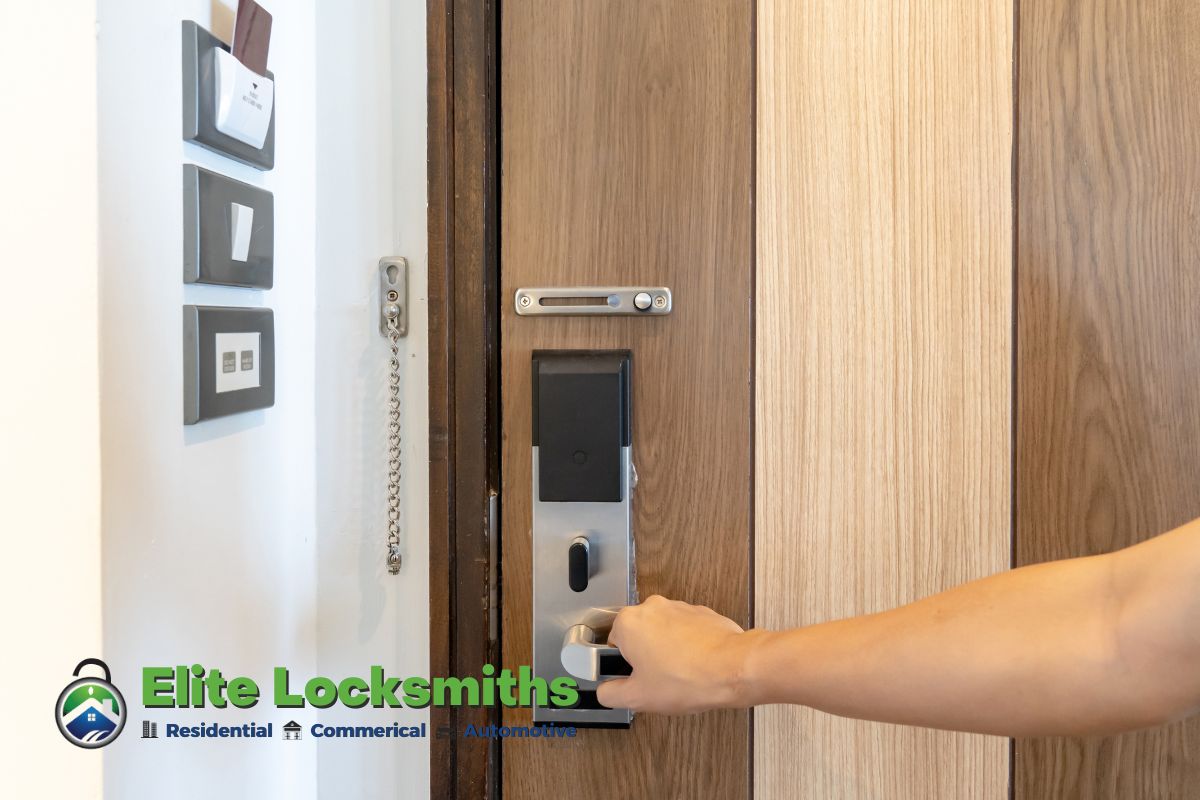
Even without a specific incident, home locks should generally be replaced every five to seven years. Over time, internal components wear down, keys become less precise, and locks become easier to manipulate or fail unexpectedly. Regular replacement ensures smooth operation and continued reliability.
After Relationship or Household Changes
If a roommate moves out, a tenant leaves, or there is a change in household relationships, changing or rekeying locks is a smart precaution. This applies especially in situations involving disputes or uncertainty. Rekeying is often a cost effective way to maintain security without replacing the entire lock hardware.
When Upgrading Home Security
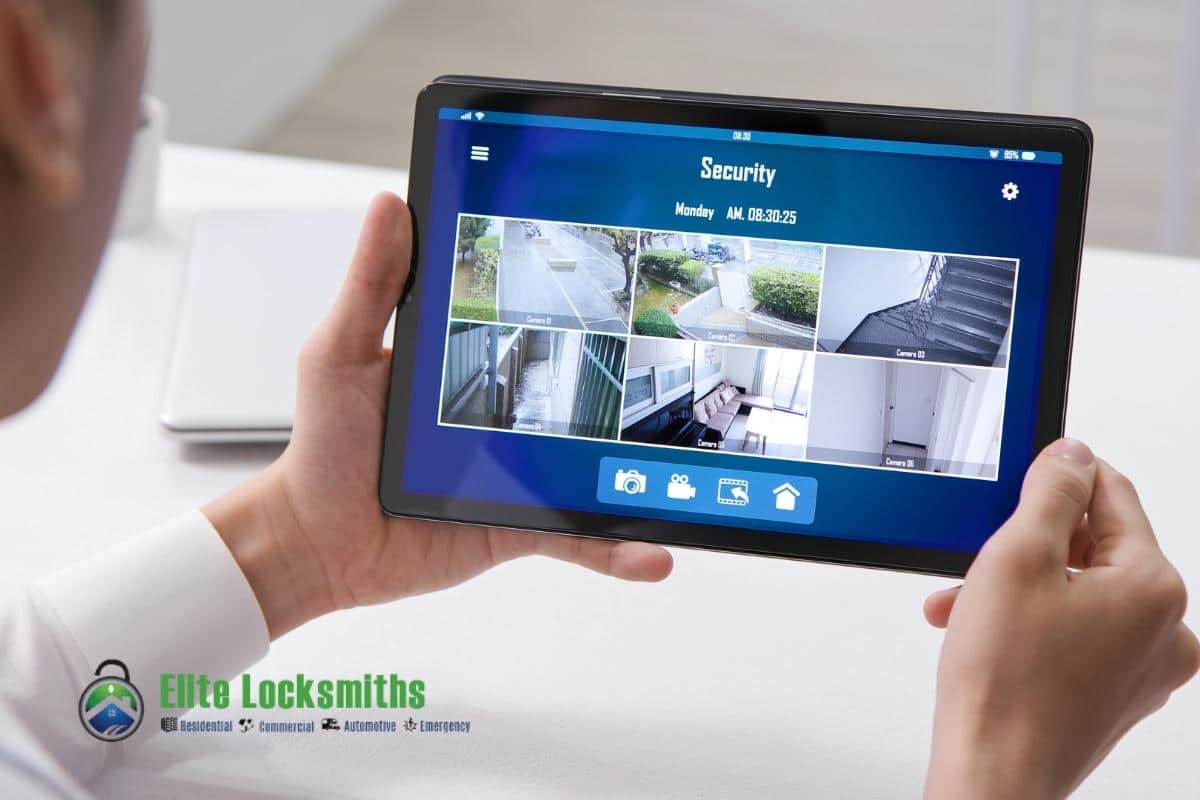
Many homeowners choose to change locks when upgrading overall home security. Modern locks offer features such as pick resistance, drill protection, and smart lock technology with keypad or mobile access. Upgrading locks can also improve convenience by eliminating the need for physical keys altogether.
Use A Variety Of Security Measures
Rekeying vs Replacing Locks
Rekeying changes the internal pins of the lock so old keys no longer work, while keeping the same hardware. It is typically more affordable and effective when locks are in good condition. Full replacement is recommended when locks are outdated, damaged, or no longer meet modern security standards.
Final Thoughts
As a general rule, home locks should be changed whenever security may be compromised and at least every few years as preventive maintenance. Taking proactive steps to Update Your Locks helps protect your home, enhances safety, and provides long term peace of mind.

